
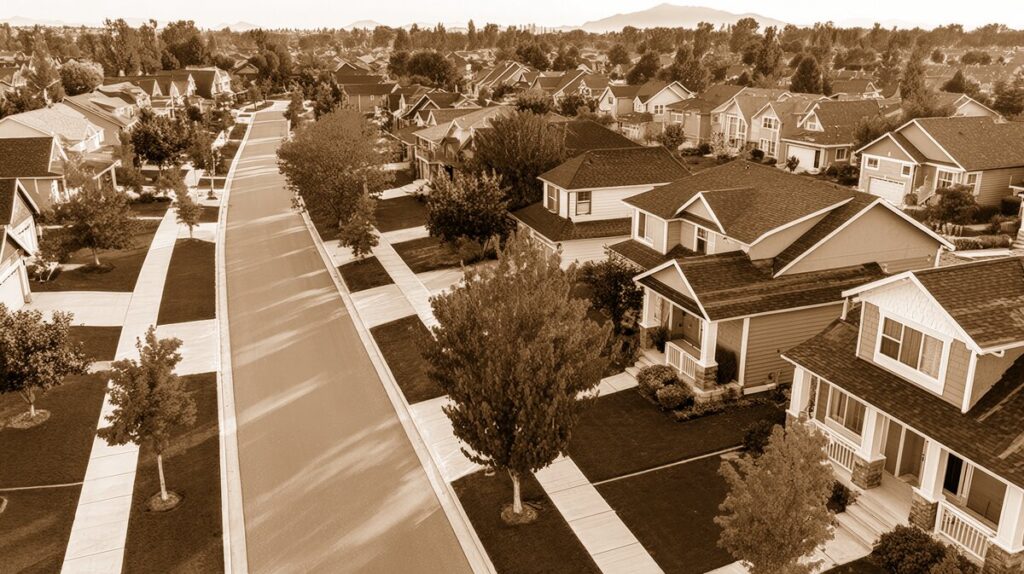
The story of Shawnee is woven deep into the fabric of Lima, Ohio—a neighborhood whose quiet tree-lined avenues and charming homes hold tales of both the land and its people. To newcomers, Shawnee evokes a sense of peace and tradition. For long-time residents, its heritage is personal, recalling memories of community picnics at Faurot Park, bustling days at Shawnee Schools, and evenings spent walking along Spencerville Road. Let’s walk together through the defining history of the Shawnee neighborhood and celebrate its role in shaping Lima.
Origins: The Land of the Shawnee
Long before it became one of Lima’s most distinguished neighborhoods, this area was home to the Shawnee tribe—the indigenous people whose legacy still echoes in the very name of the community. The Shawnee’s connection to the land is remembered not only in street names but also in the layout of the area, which was once a blend of forest, prairie, and waterways. When European settlers arrived in the 19th century, the region gradually transformed, but native roots remained embedded in its geography and culture.
The name “Shawnee” is a tribute to this proud heritage. Many longtime residents still recount tales of the region’s early days—stories of how Piquad Town, a prominent Shawnee village, stood near present-day Lima, shaping local interactions and trade.
Shawnee’s Growth: From Countryside to Community
With the expansion of Lima in the late 1800s, Shawnee began evolving from rural farmland into a sought-after residential district. The development was catalyzed by Lima’s oil boom and the subsequent arrival of new industries. As Lima prospered, so did Shawnee—a neighborhood attracting families seeking both tranquility and easy access to downtown.
By the 1920s, Shawnee Ridge and surrounding avenues blossomed with stately homes—many built in styles reflecting the times, including Tudor revivals and classic Colonials. Streets like Spencerville Road and Shawnee Road became symbols of comfortable suburban living, lined with mature oaks and maples that still shade summer days.
Key Milestones in Shawnee’s History
- The Rise of Shawnee Schools: Education has always been at the heart of this neighborhood. The establishment of Shawnee Local Schools in the early 20th century marked a turning point, fostering pride and unity as generations attended the iconic Shawnee High School and elementary campus on Zurmehly Road.
- Development of Parks and Recreation: Faurot Park, on the eastern edge of the neighborhood, has long served as a communal green space—a gathering place for community cookouts, music festivals, and Fourth of July celebrations.
- Housing Booms and Modernization: Post-WWII growth brought new subdivisions—Birchwood Shores, Indianbrook, and the Woodgate area—each with unique character but tied by a shared sense of neighborhood pride.
- Civic Engagement: Shawnee’s evolution has always involved its residents. Neighborhood associations, church congregations, and civic groups have worked hand-in-hand to maintain a spirit of stewardship, keeping Shawnee safe, welcoming, and beautiful.
Architectural and Historical Landmarks
Shawnee is dotted with buildings and sites that tell its story:
- Shawnee Country Club: Situated along Shawnee Road, this historic club, established in the 1920s, became a social hub—hosting generations of families and golfers. Its classic clubhouse architecture and panoramic views of the golf course are hallmarks of neighborhood tradition.
- Historic Homes: Stretching along Spencerville Road and Shawnee Road, grand homes reflect early-to-mid 20th-century elegance. Observant walkers will spot details from limestone facades to carefully tended gardens that have been lovingly maintained.
- Parks and Nature Reserves: Beyond Faurot Park, the Heritage Park area and Ottawa Metro Park to the south offer trails, picnic sites, and serene escapes, inviting residents to immerse themselves in the natural splendor Shawnee inherited from its earliest inhabitants.
- Shawnee Schools Complex: More than a set of buildings, this campus serves as the energetic heartbeat of the community—hosting sporting events, theater performances, and alumni gatherings that embody neighborhood pride.
Evolving with the Times
While Shawnee cherishes its roots, it has also embraced change with grace:
- The 1970s and 1980s saw growth in commerce along Shawnee Road, with neighborhood businesses, medical offices, and restaurants springing up to serve local families.
- Preservation efforts have ensured that historical homes and green spaces remain intact, even as newer houses and amenities have elevated the area’s desirability.
- Today, Shawnee is celebrated for its diversity. From original families whose ancestors helped found the neighborhood, to newcomers seeking strong schools and a sense of belonging, the mix of backgrounds and experiences makes it a mosaic of Lima’s best qualities.
What Makes Shawnee Special
Spend an afternoon here and you’ll understand what sets Shawnee apart. It’s the sight of families riding bikes down Idlewild Drive, friends gathering for ballgames at Shawnee Schools, and neighbors greeting each other by name at the Saturday farmer’s market or at a local café.
The past lingers here—not as a relic, but as a living presence. Each building, park, and street testifies to the enduring values of community, heritage, and progress. Walking Shawnee’s quiet roads, you’ll find both a window into Lima’s earliest days and a view into its bright future.
The Story Continues
In Shawnee, history isn’t just something you read about in books or see engraved on plaques. It’s something you feel—in the laughter of children at Graham Park, the proud banners at Shawnee High, and the comforting continuity of neighbors looking out for one another.
For those lucky enough to call Shawnee home, the neighborhood is more than a place—it’s a lasting legacy, rooted in respect for its origins and blossoming anew with each passing year.